;
BOK-COVE-1.0

Design at Scale™.

How the Individuals Shape the Future Organisation Through Design

7 out of 10 businesses report a significantly inefficient design integration, which affects the organisation’s growth and expansion. As more tools are added and more procedures, checks, and meetings are held during the week, the overall design delivery suffers from exhaustion, anxiety, and friction that further divide the workforce.

Is this the future of design delivery?

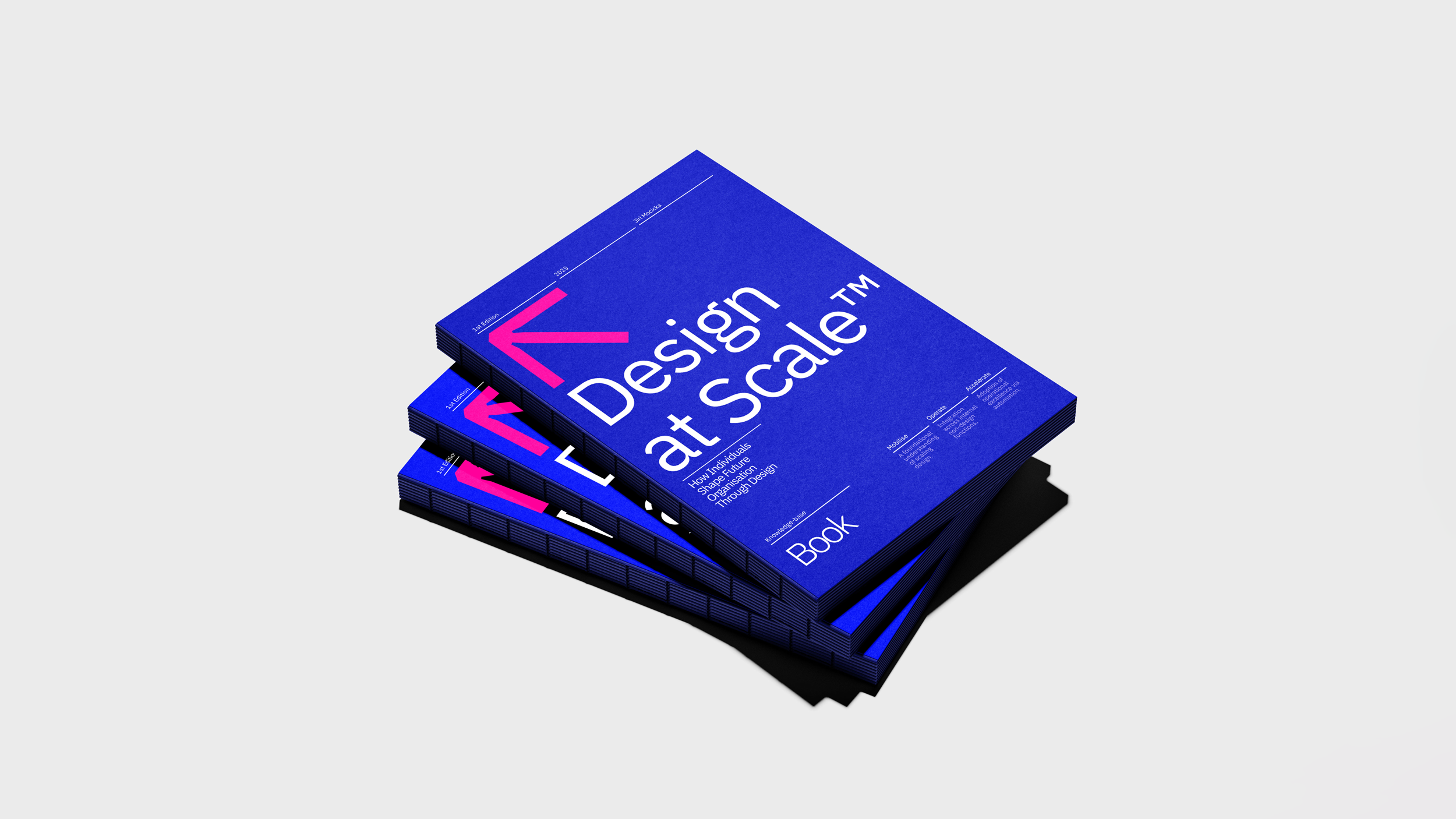
The book Design at Scale™ – How Individuals Shape Future Organisations Through Design aims to increase the maturity of individuals within teams representing design functions in exponential organisations.
Make you aware of the industry shift and expectations for a design function in your organisation. Introduce you to “The Method,” which enables you and your team to make collective decisions. Cultivate a meaningful relationship with your team to address design challenges sustainably.

WRAP .Arrow
ICO .iTunes
ICO .Play
ICO .Kindle

£9,90

Content

Tailored stories that describes on how to leverage the knowledge behind Design at Scale™

The ePub will be delivered to your email. You can download it, add it, and use it in your favourite reading device. 

What‘s Inside.

The business is under constant adjustment for exponential growth.

In the last 100 years, design function has reached its potential and, for the first time, offers sustainable and exponential scale.

Despite societal and technological factors, the businesses face an ultimate question of an automated workforce, without which they will not survive. The question is whether we have a design leader who can successfully scale the design function to accelerate business growth.

The key denominator of an organisation that benefits from scale is an understanding of key information in the context of capabilities and well-defined responsibilities. 

Mobilisation

A solid foundation prevents noise and created broadcast of well-defined tasks that are addressed by the self-organised team driven by the common interests and quality of work. 

Operation

Every adoption face the resistance. The advantage of DaS™ is it own reliance on existing design methodologies, thereby strengthening its integration. 

Acceleration

INFO .LinearProces

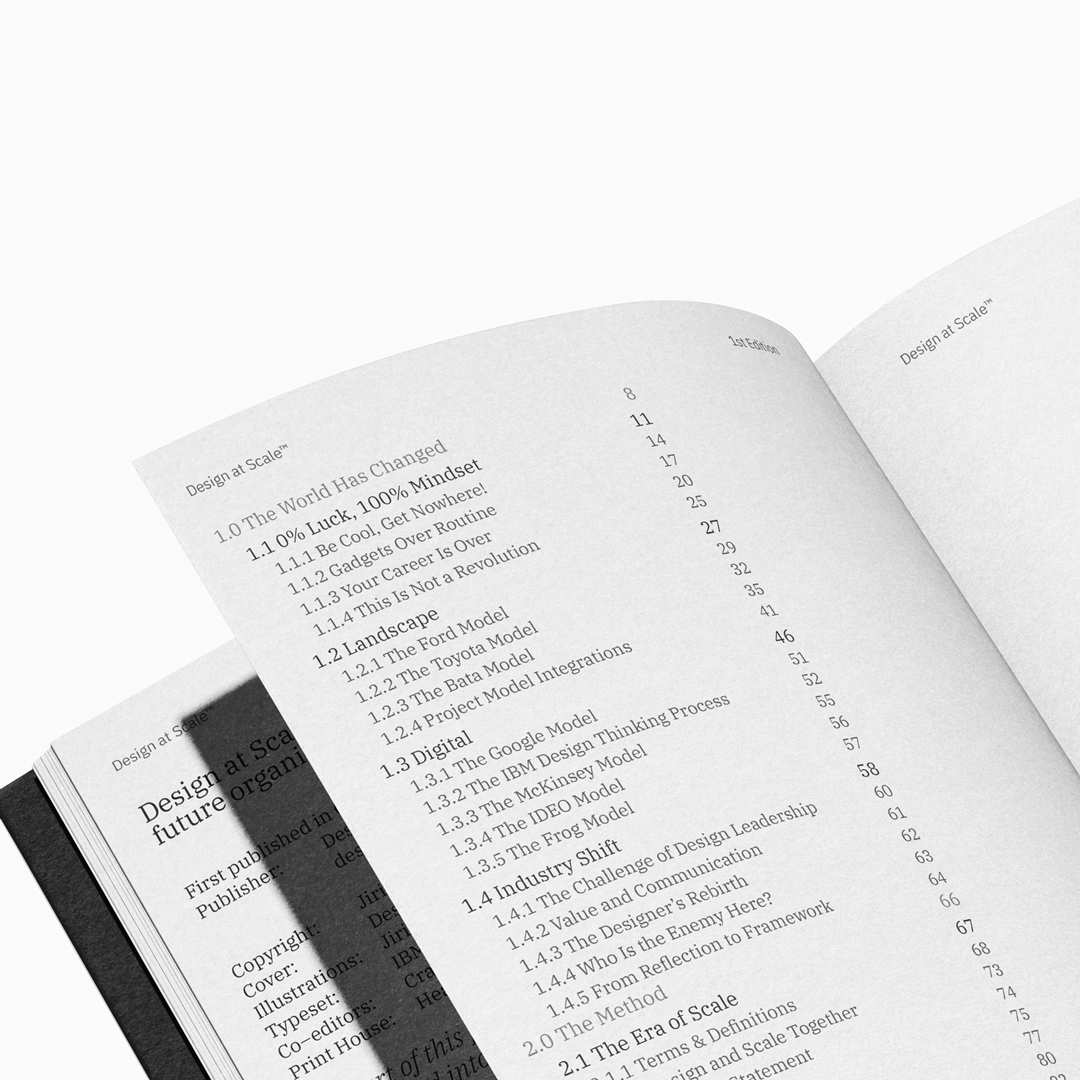
Table of Content.

1.0 The World Has Changed
ARROW .Basic ARROW
A contextual overview that sets the foundation for all the following changes designers face today. 
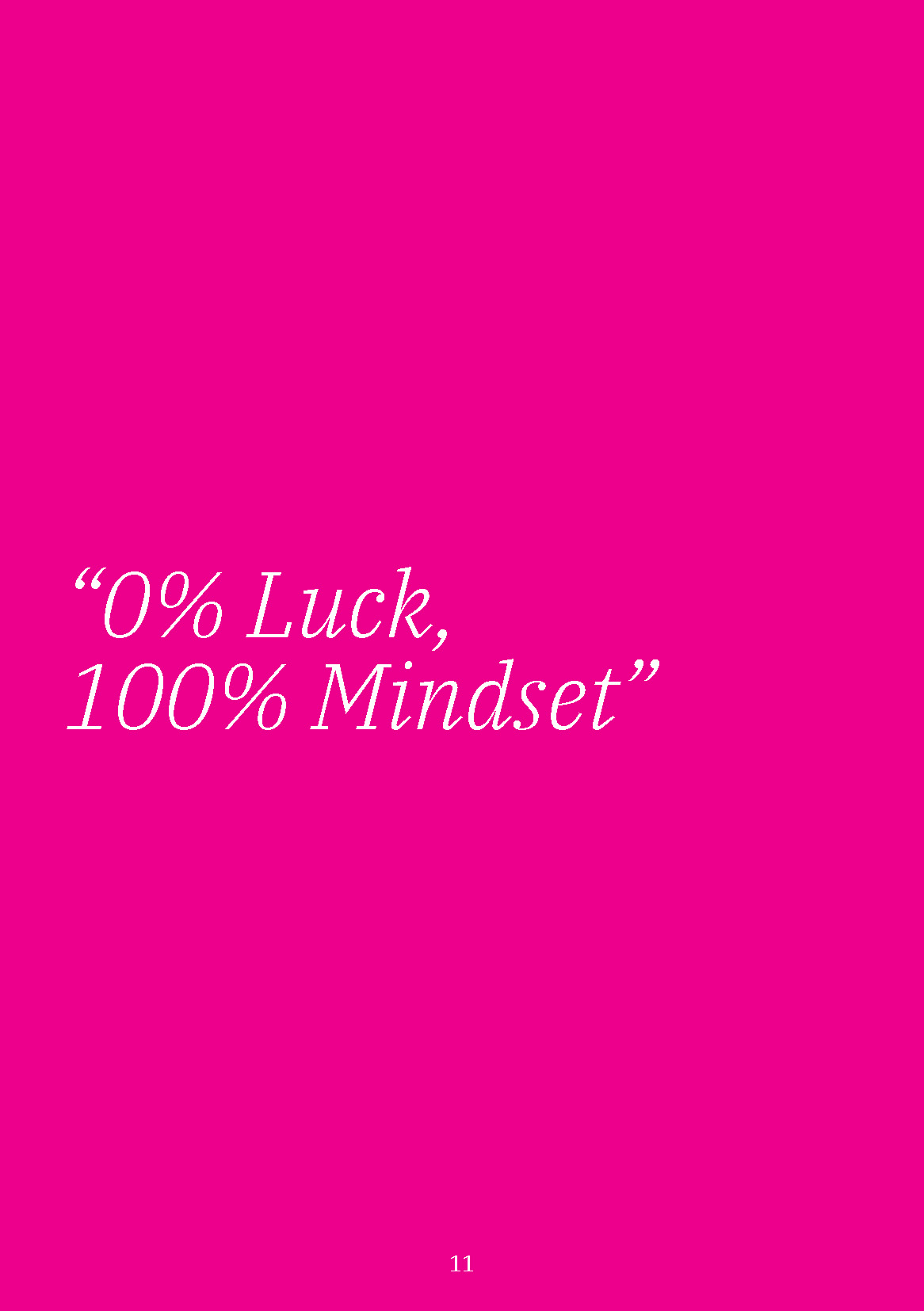
1.1 0% Luck, 100% Mindset
ARROW .Basic ARROW
After over 5k design interviews, it became apparent that being “cool” gets us nowhere. We are mesmerised by gadgets that distract us from the basic design routines, and while we are thinking about our leaders, our design careers slip through our fingers due to commodification. This is not a Revolution of scale; this is a basic recognition that design has been behind the scale for many centuries and now is here to thrive.
1.2 Landscape
ARROW .Basic ARROW
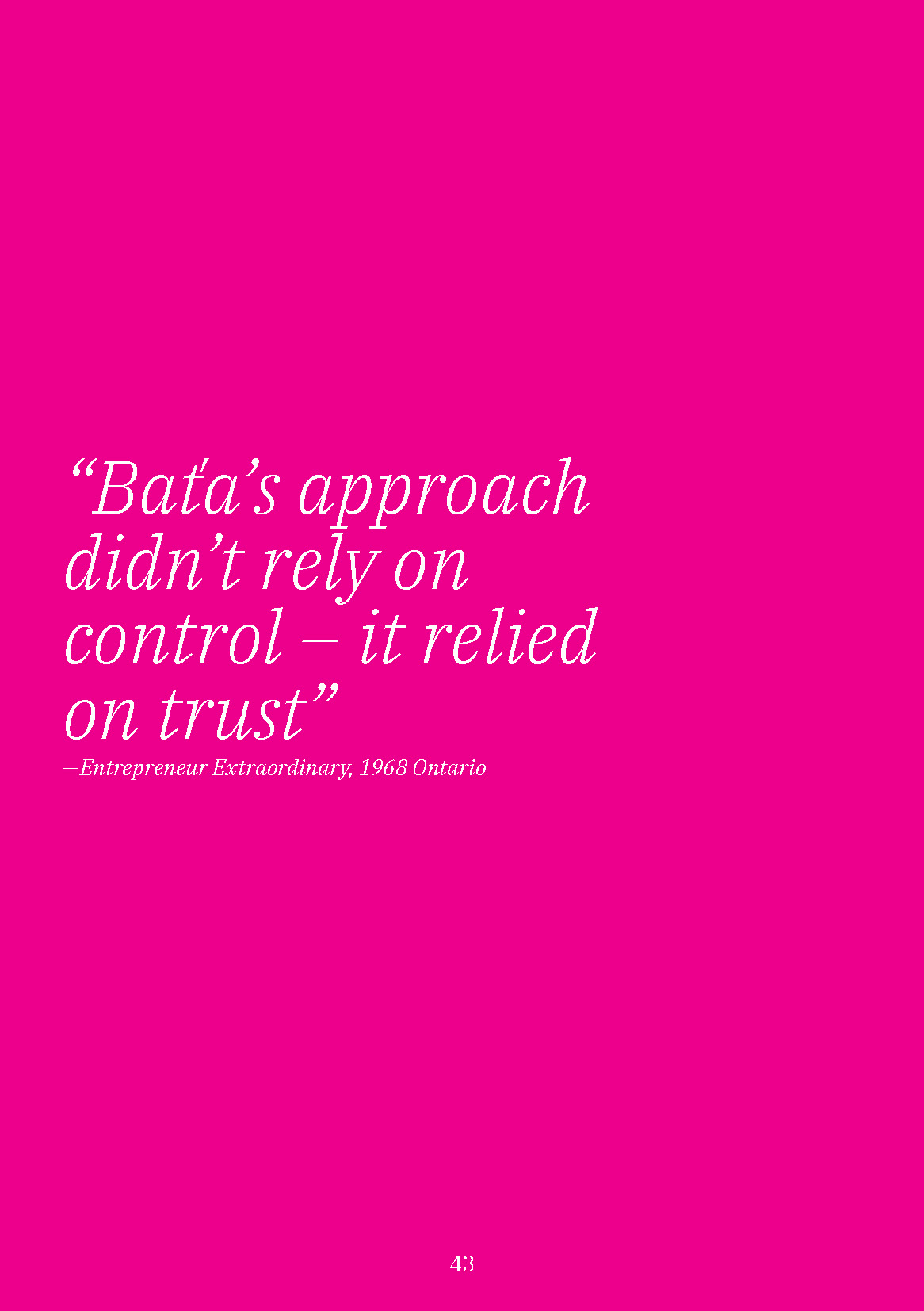
This affects major corporations across automotive, fashion, food, and electronics. We’ve got the most influential insights about production and design integration from Ford, Toyoda and Bata. Project Model Integrations did not happen over a day; it was a relentless pursuit of improving existing methodologies and inventing new ones. “While Ford scaled production and Toyota perfected process, Baťa scaled culture. He understood that the health of an organisation defines how it thinks, behaves, and learns collectively.”
1.3 Digital
ARROW .Basic ARROW
The industrial foundation had a direct impact on the digital evolution. From the early 20th century onward, McKinsey’s consultancy insights laid a strong foundation for new businesses to emerge. IBM Design Thinking, followed by the Frog Model, then the IDEO Model, and Google. Today's generation of designers does not even know where all the methods originated from.
1.4 Industry Shift
ARROW .Basic ARROW
And that is why the majority of designers find themselves in debates about the value of Design Leadership and communication in newly established organisations. Once an autonomous and well-defined craft has evolved into a discipline that is challenged to share, collaborate, and build things for testing rather than for pleasure and impression. This brings us to a Designer’s Rebirth. Who is the Enemy Here? Not the demanding world, but our own insecurities and misconceptions about how to stand out. Moving from Reflection to Framework, we realise that design has not changed; the medium does.
2.0 The Method
ARROW .Basic ARROW
After reviewing over 274 design methods, the inevitability of simplified justification for the stage-and-gate process was fundamental to any business-related agreement that drives or influences the design function – the method is a direct reflection of that.
2.1 The Era of Scale
ARROW .Basic ARROW
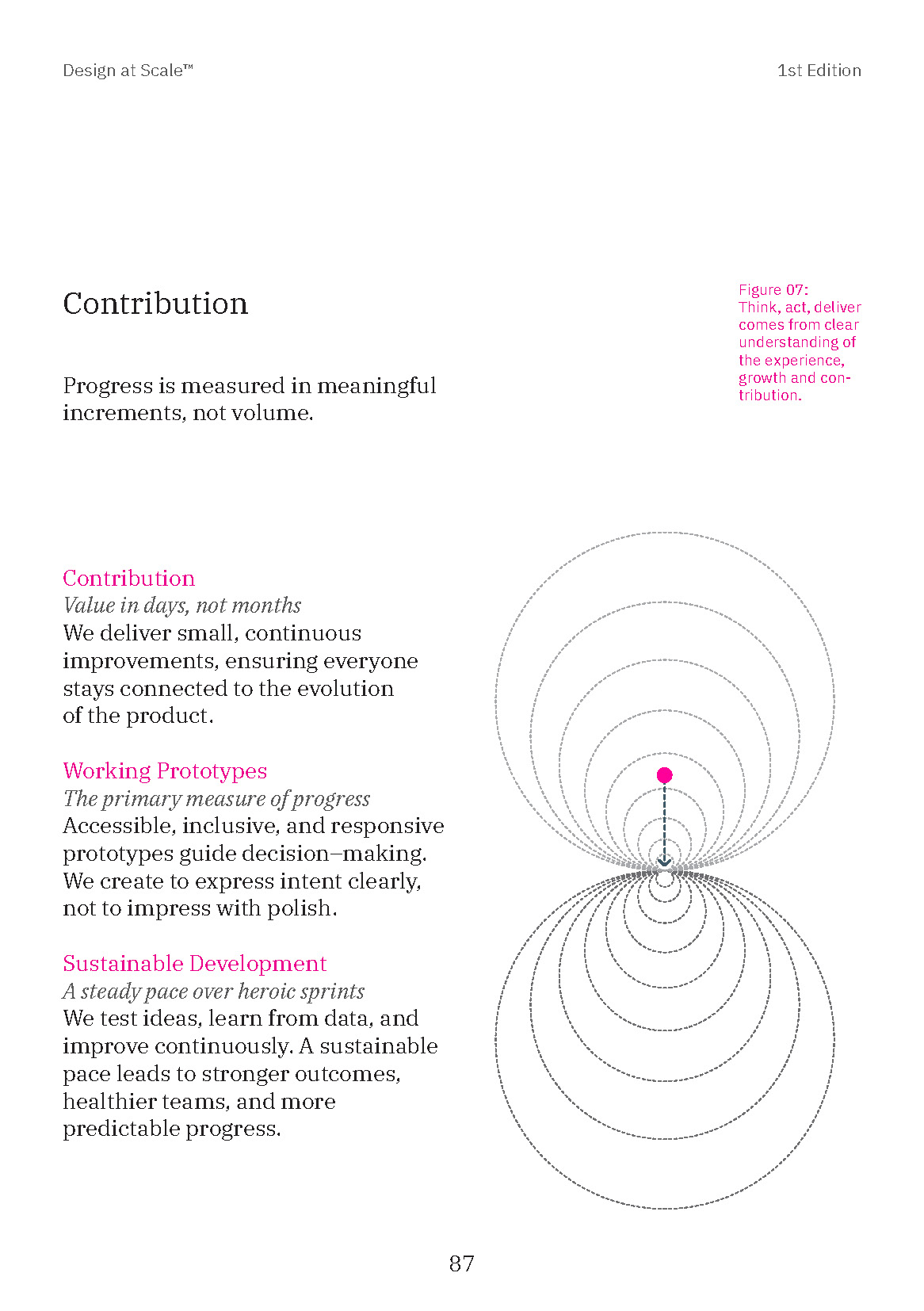
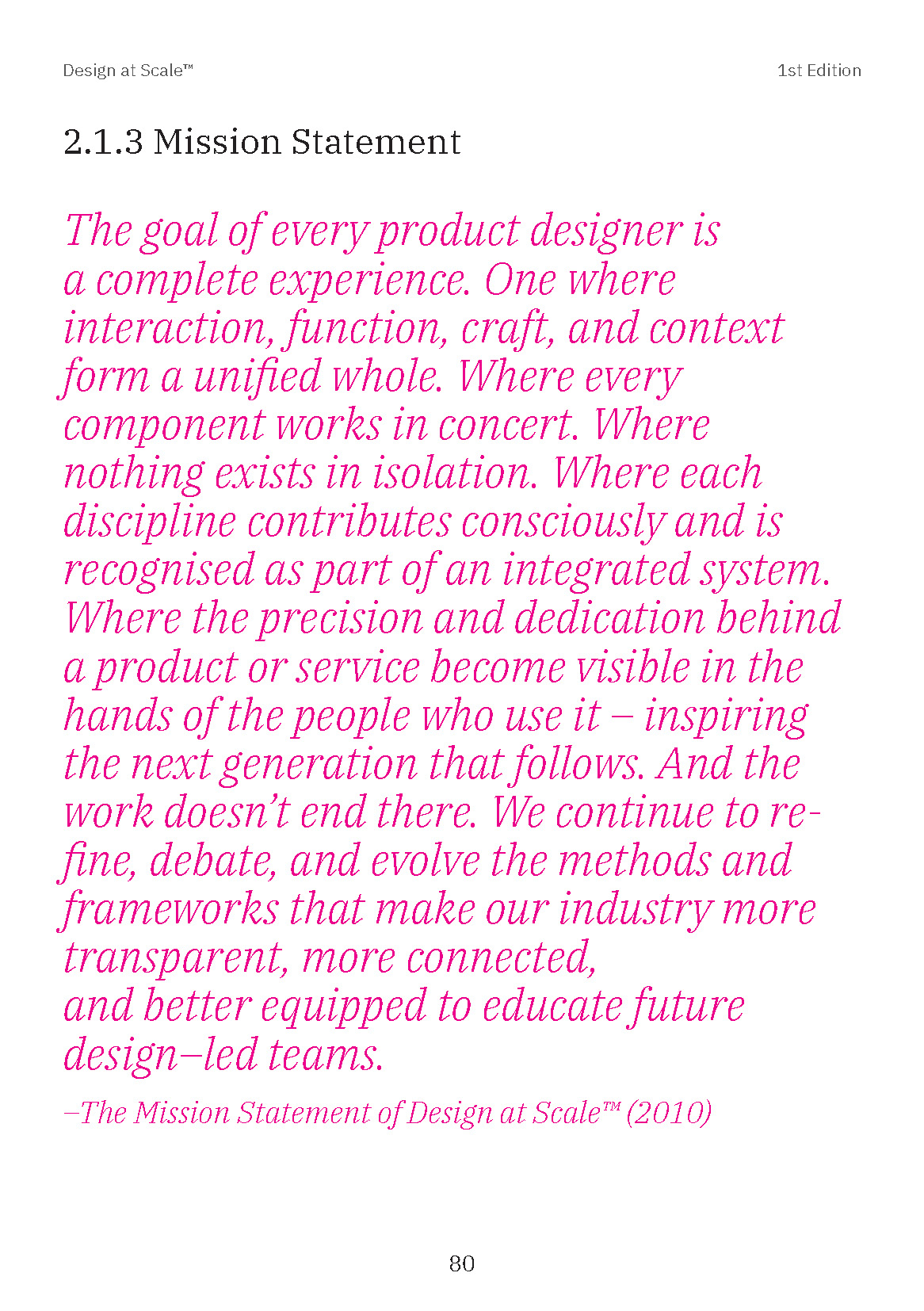
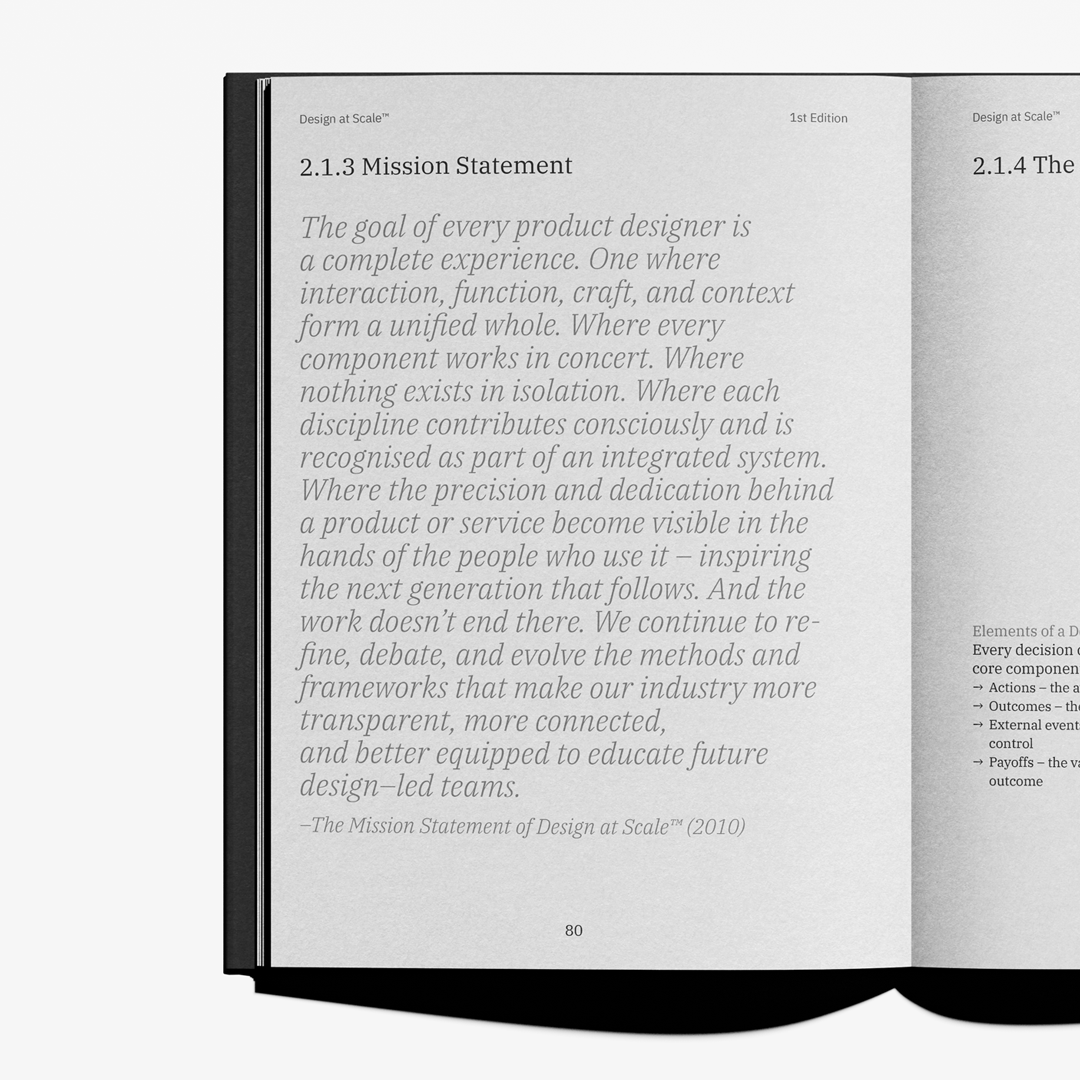
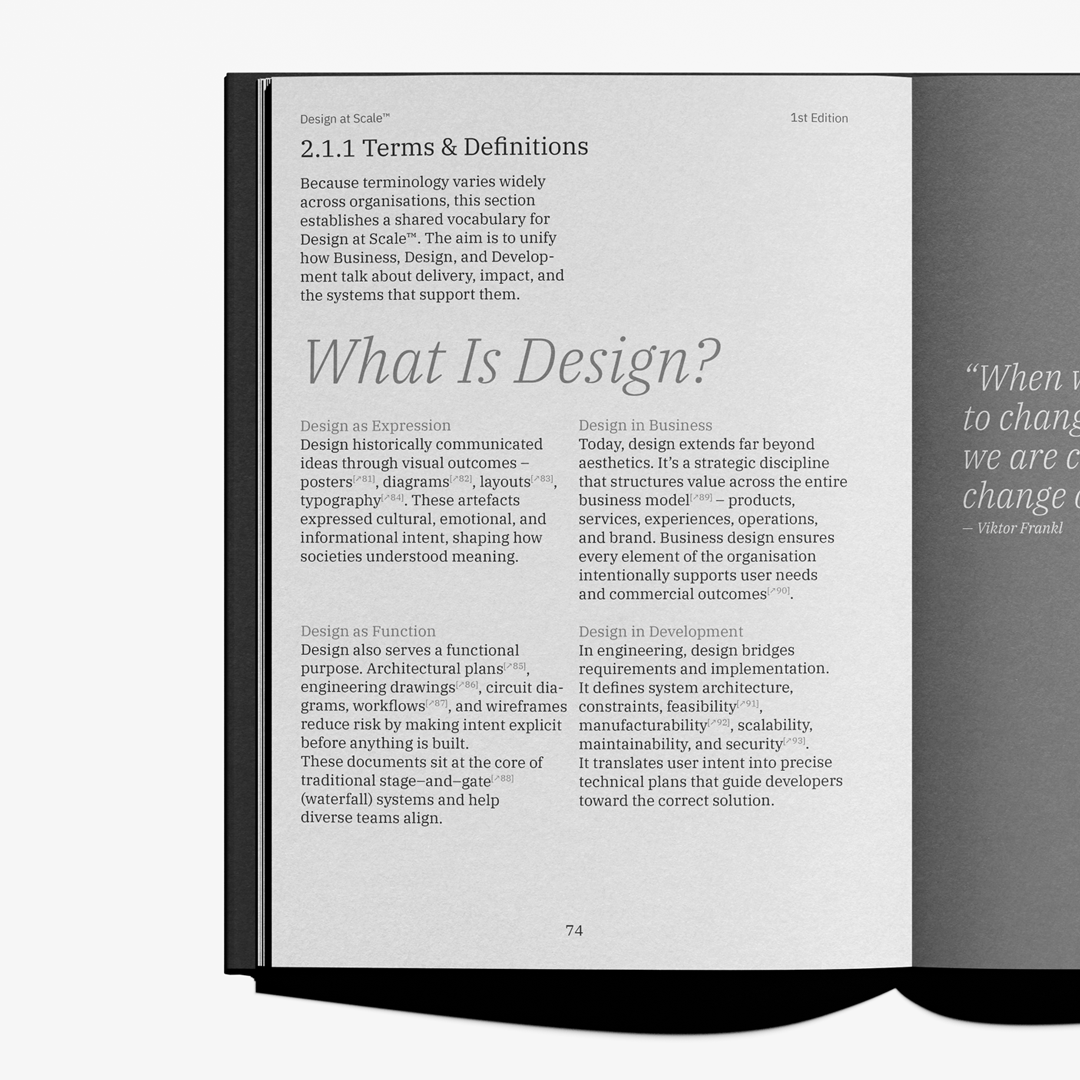
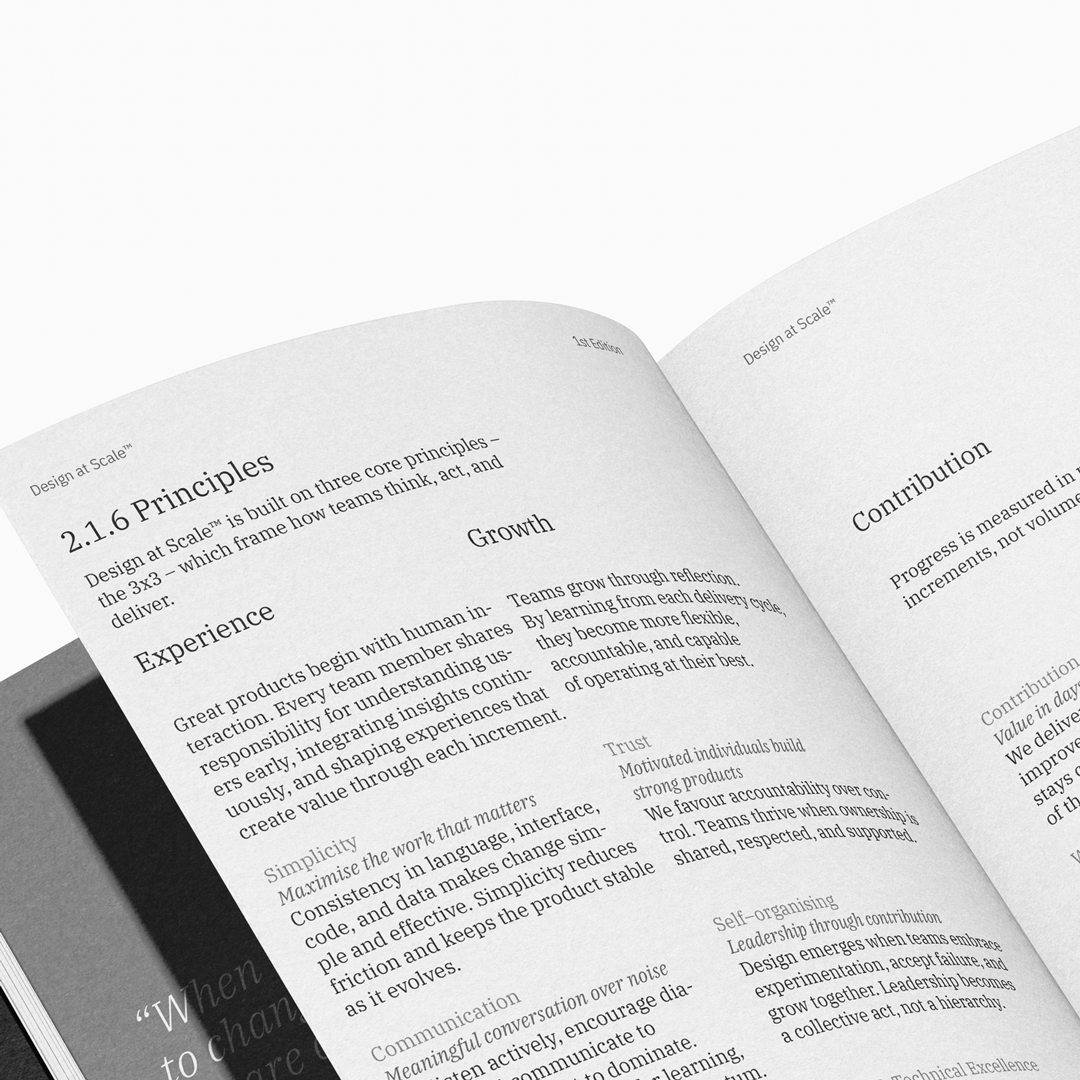
In order to have a constructive debate about the future of design, we need to define the term “scale” in design. It is often misinterpreted as flipping or company growth. Having defined the basics, we set out the Mission Statement to guide us through the uncertain shores of the product design world. Building on the knowledge and practical implementation, we'll discuss the Mindset, Values, Principles and Philosophy that are neatly captured in DaS™–Canvas and DaS™–Framework.
2.2 Practical Implementation
ARROW .Basic ARROW
Having the map itself gets us nowhere. This chapter describes the Mindset Challenge designers face while implementing these methods. Often addressing bias and cultural challenges in the organisation. The integration challenge is not about individual opinions. We address the cultural aspect of the work by closing the circle in which individuals thrive.
2.3 Design Leadership at Scale
ARROW .Basic ARROW
Numerous articles suggest  how great leaders do this or that. Unfortunately, one mentions how to set Your Vision at Scale, how to sharpen your Skills at Scale, and why Mentoring at Scale will not only help others but also help you become a better design leader. Building a Design Team is simple; building the team that scales business impact is a completely different ballgame. Not to mention, we often debate High–Performing Design Teams and Cross–Functional Team Collaboration while forgetting that “Your Leadership at Scale” impacts individuals through the cultures you create. In mundane daily task management, countless sleepless nights are spent overseeing and controlling every detail of the proposition that affects the final product.
3.0 Adoption
ARROW .Basic ARROW
Do you really want to do it? 
And do you want to do it now?
3.1 Assessment
ARROW .Basic ARROW
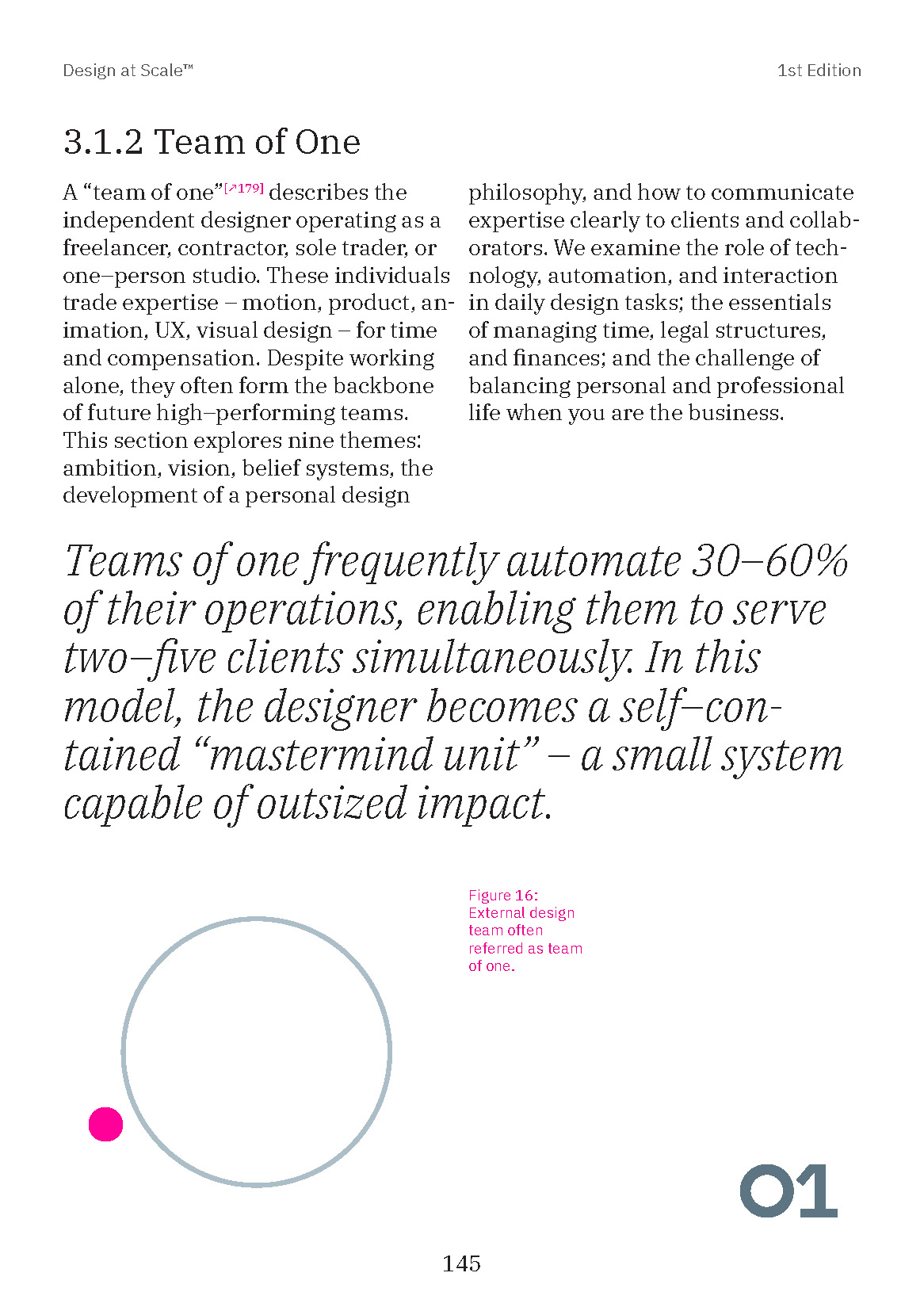
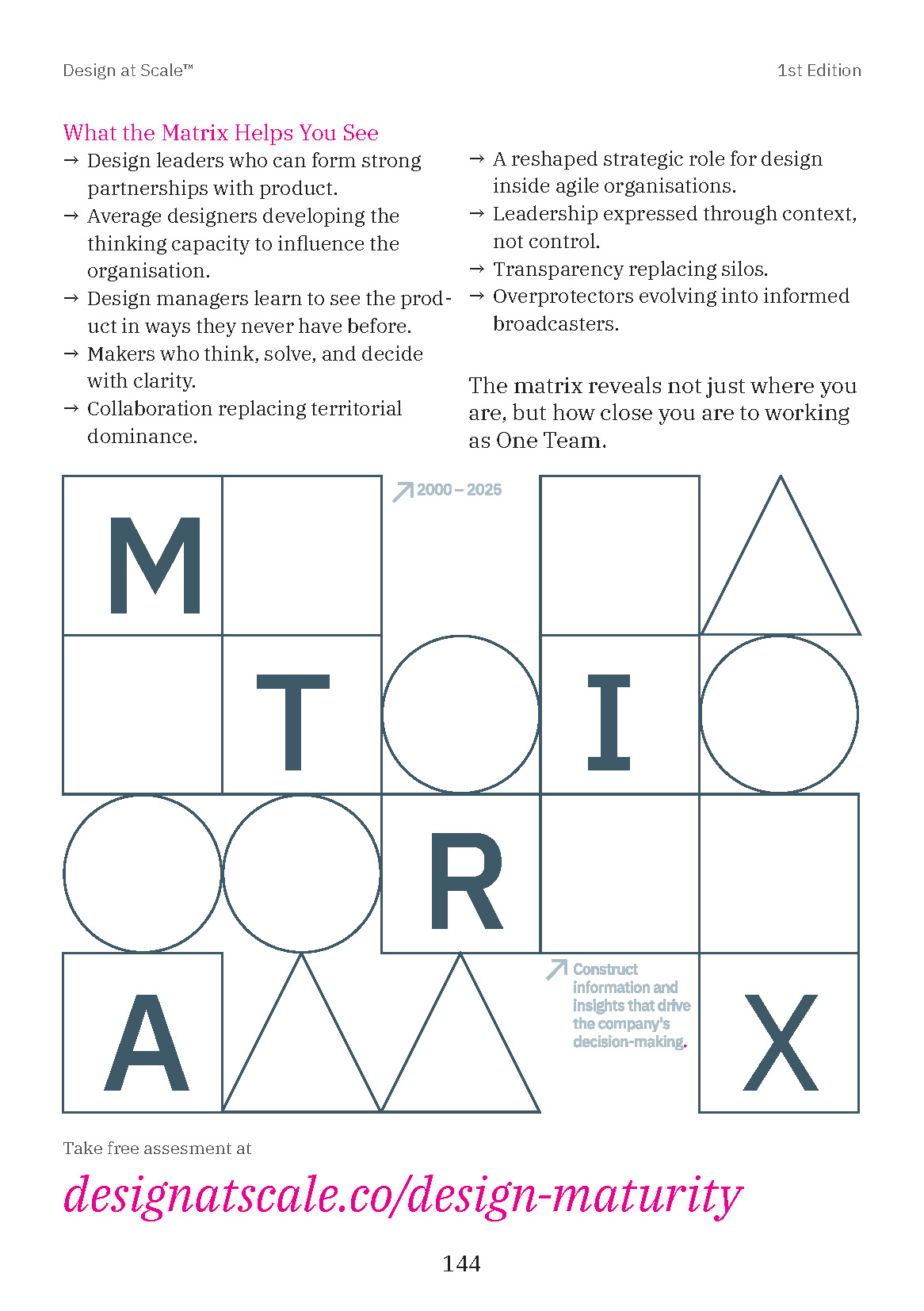
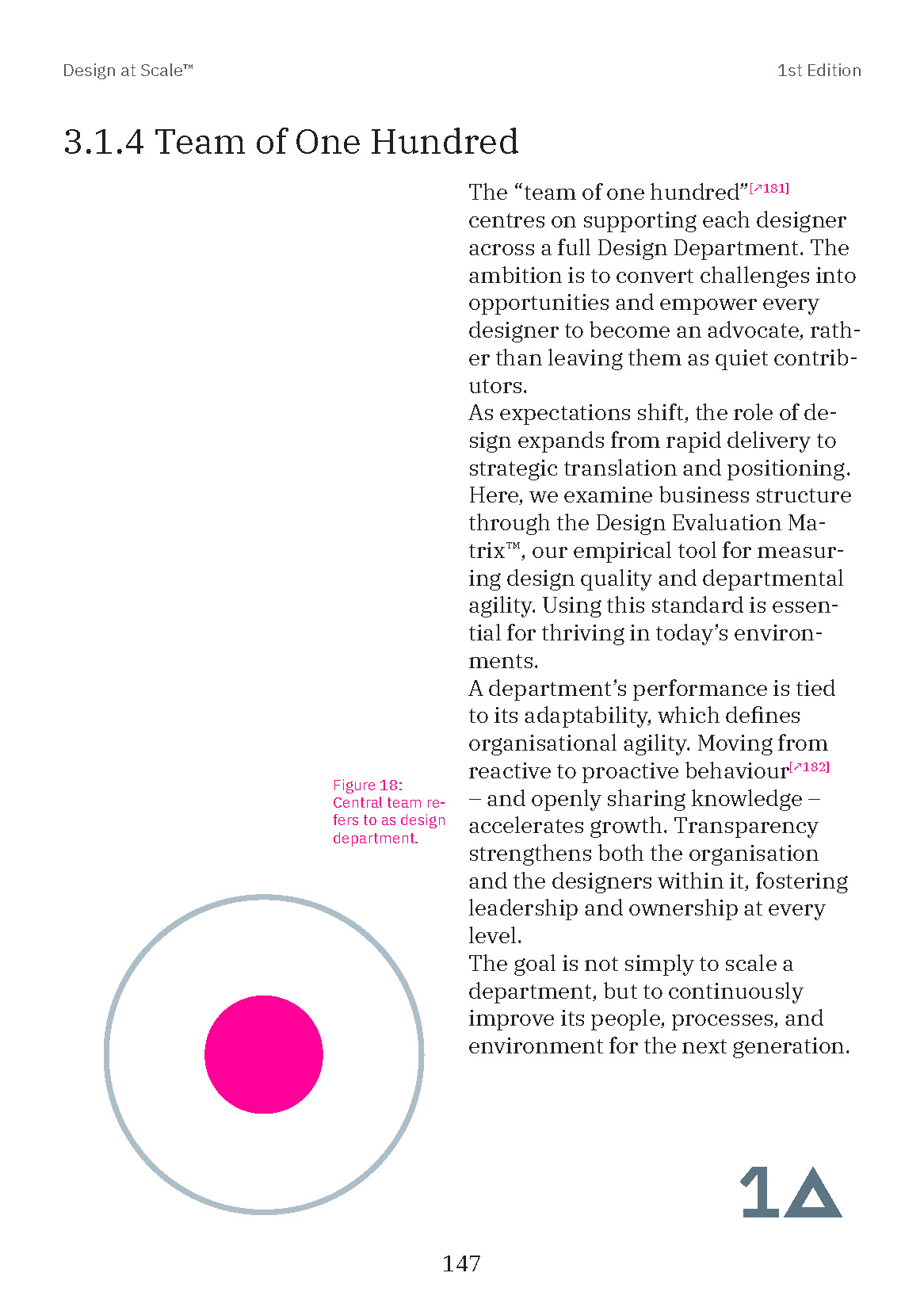
The assessment will take you to the Evaluation Matrix, which allows you to answer 27 simple questions (obviously, this is a 3x3x3 framework). This will simply identify whether you are part of the Team of One, the Team of Ten, or the Team of One Hundred. Allowing us to correctly address whether your design challenges are coming from the deficiency of unilateral decision-making or your own personal challenges. This gives you the foundation to make you “The 1% Team” member. The only designer that can address immediate challenges that enable businesses to scale – and eventually generate revenue.
3.2 Cross–Functional Collab.
ARROW .Basic ARROW
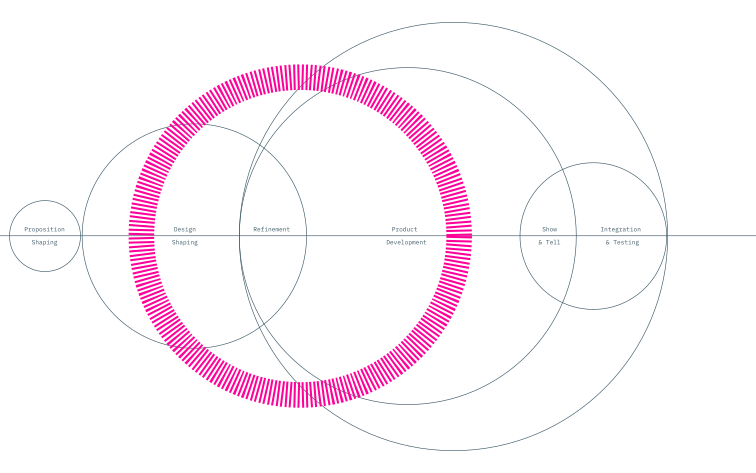
To be able act on all your learning, you need to set a foundation that scales with you and your organisation’s needs. And it’s not necessarily more software, more plugins or more noise. It is way simpler than that. A 3x3 matrix allows us to say “Hello!” by defining efficient communication. Bringing a “Business” perspective and “Research” & insights closer together to shape the proposition correctly. Connect the “Content” (Storytelling), holistic “Experience” and “Design” into a cohesive unit with zero barrier to entry and experience the future of the product or service defined by prototypes. And finally, integrating engineering, “Development”, “Release”, and “Integration” with business in a way that people see dashboards, not heavy pages of technical jargon.
3.3 From Maturity to Agility
ARROW .Basic ARROW
Finally moving to “Agile Design Management”. Reflecting on challenges with managing up or down and how the Design at Scale™ Canvas utilises the transparency access “Resources & Quality Management”. How product prioritisation reduces excessive planning and helps us to reduce design debt to reframe “Power and Control” changes once your team become understanding of the fundamental principle of broadcasting over protecting their deliverables. And above all, how “Transparency” builds the “Trust” that enables well-desired scale in your organisation.

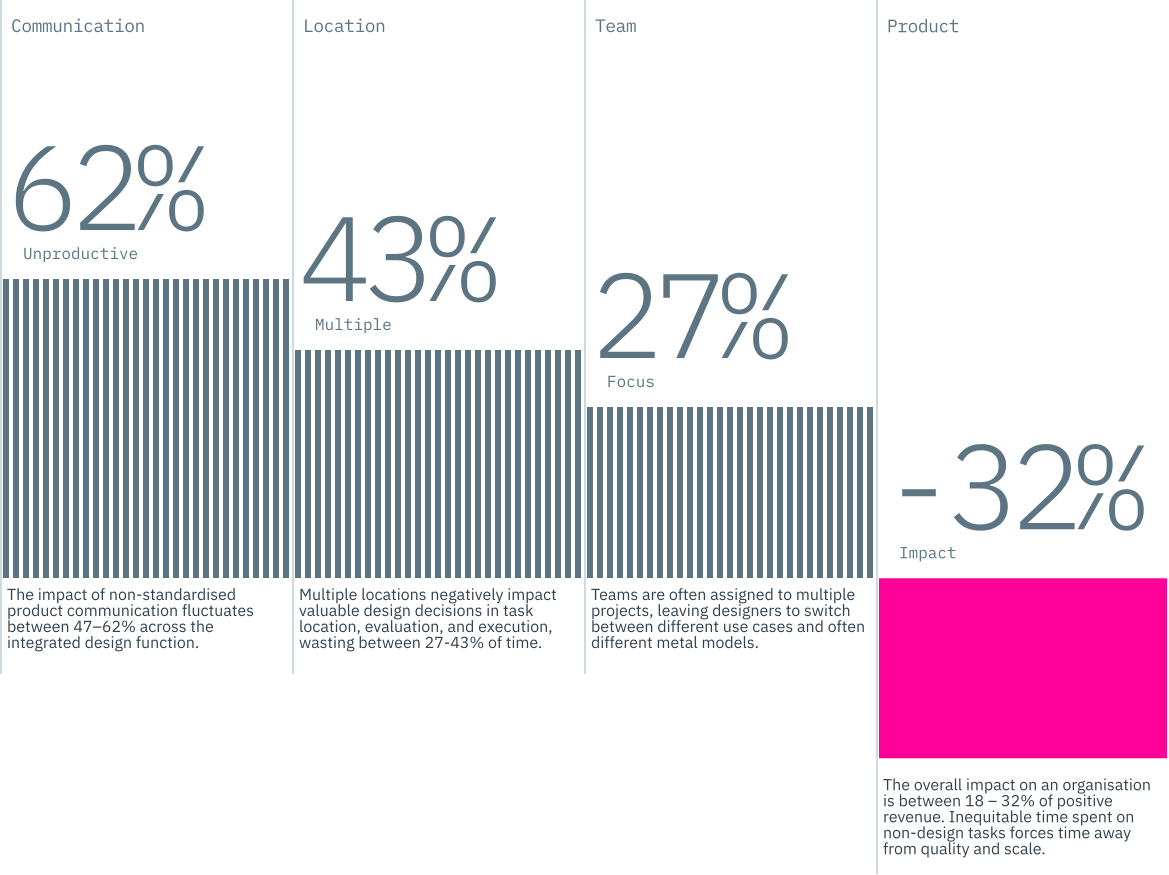
32%

Imact

By standardising communication in one location we enable the design team to increase their productivity by 25-32% in avarage. 

Organisations struggle with integrating design function.

70% of design decisions are driven by a non-design process, impacting the sustainability and scale. 

Combining our research across +100 businesses, we see an emerging pattern: colocated and siloed communication significantly affects quality and desirable time-to-market. Reflecting that the “more” technology does not create an “effective” one. 
INFO .Challenge_Light

Scaling Design Function.

The agility of the design team in an organisation to adapt and fulfil ongoing demands on design delivery while broadcasting design decisions, enabling informed adoption over time, leads to sustainable growth.

Scaling

INFO .Zoom_V
The Author
HEAD .Shot

For over two decades, our clients see the patterns others miss – we turn design complexity into a clear advantage.

PART.UnileverPART.VevoPART.PearsonPART.SonyPART.BBCPART.SKYPART.RipCurlPART.UOBPART.QuantasPART.SamsungPART.LBGPART.AdlibrisPART.NokiaPART.NikePART.BoSPART.Goldman SachsPART.UnileverPART.VevoPART.PearsonPART.SonyPART.BBCPART.SKYPART.RipCurlPART.UOBPART.QuantasPART.SamsungPART.LBGPART.AdlibrisPART.NokiaPART.NikePART.BoSPART.Goldman SachsPART.UnileverPART.VevoPART.PearsonPART.SonyPART.BBCPART.SKYPART.RipCurlPART.UOBPART.QuantasPART.SamsungPART.LBGPART.AdlibrisPART.NokiaPART.NikePART.BoSPART.Goldman Sachs

Design at Scale™: How Individuals Shape Future Organisation Through Design

PreOrder

LINE .Zoom_H
SQ-PACK-LieOpen-BW
SQ-TOC-BW
BOK-SQ-Mission-Front_BW
BOK-SQ-Design-Front-BW
SQ-PACK-LieClose-BW
SQ-Principle-BW

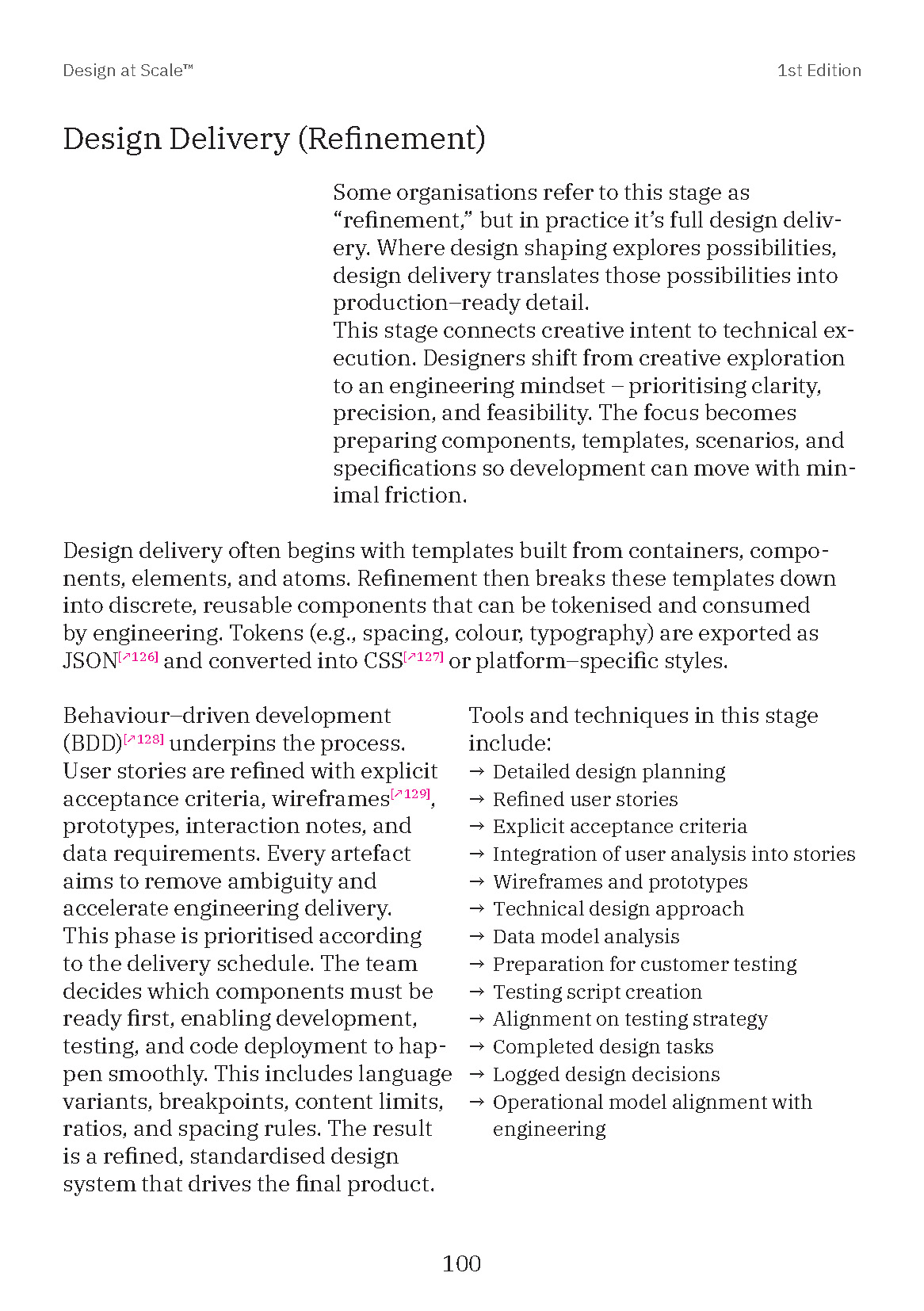
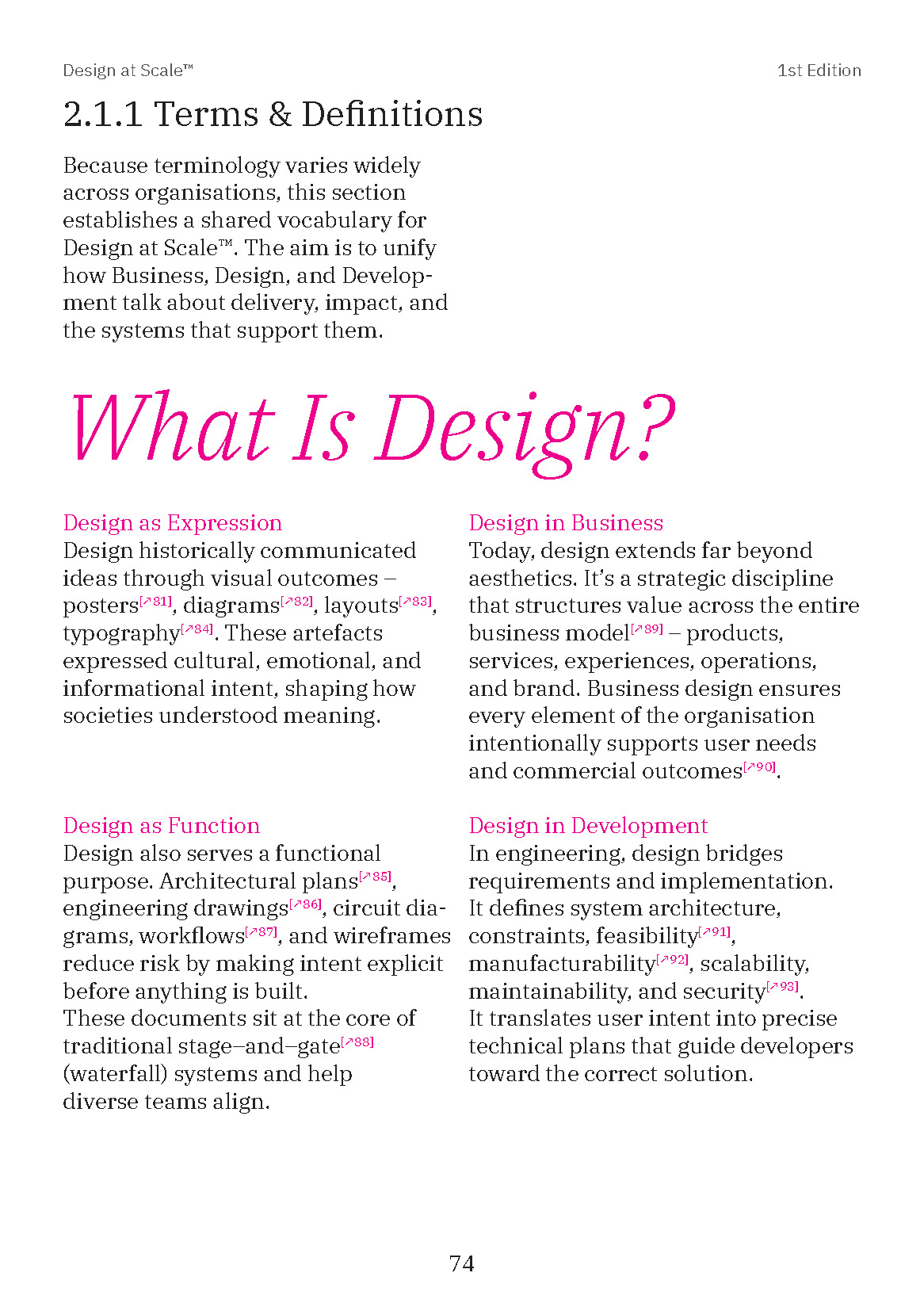
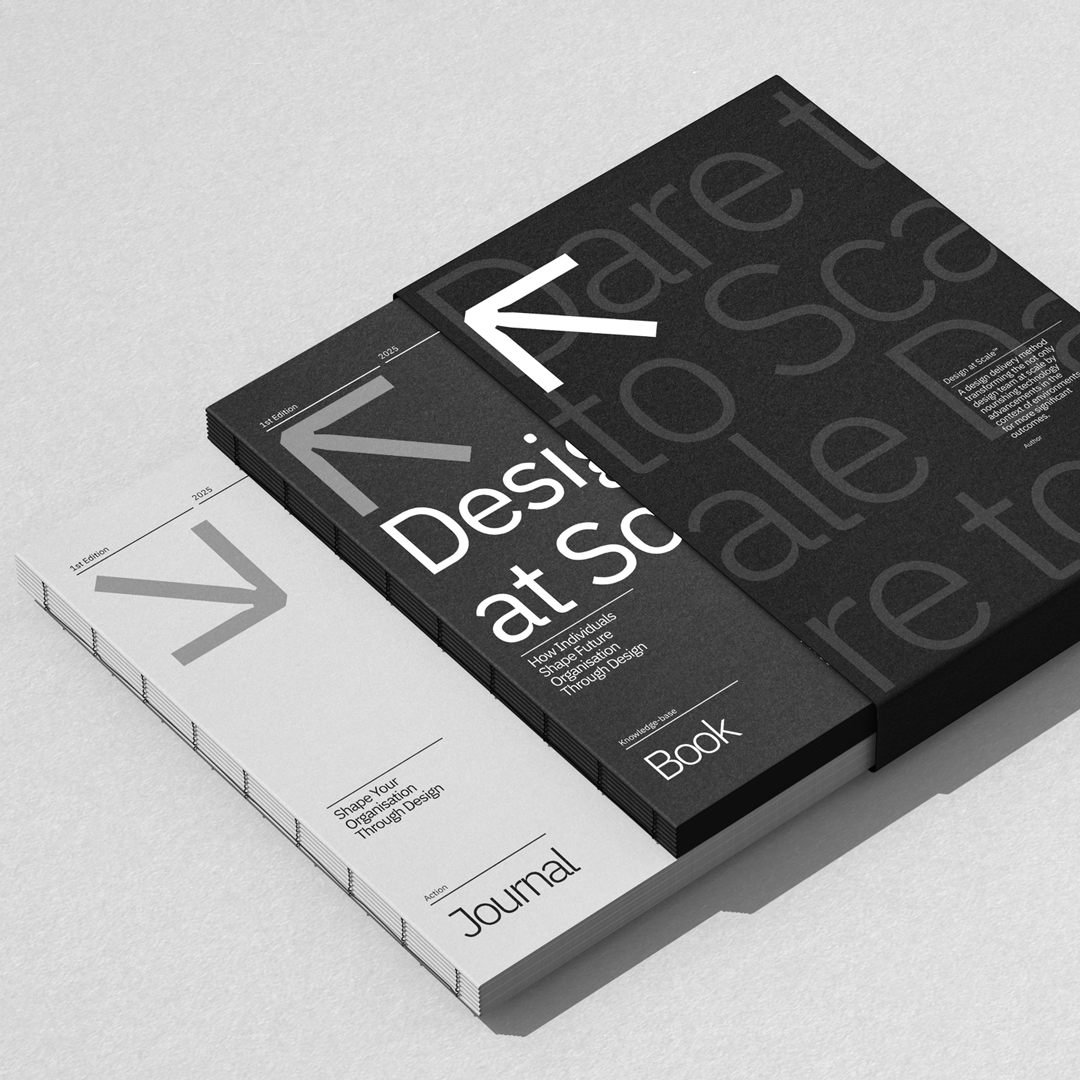
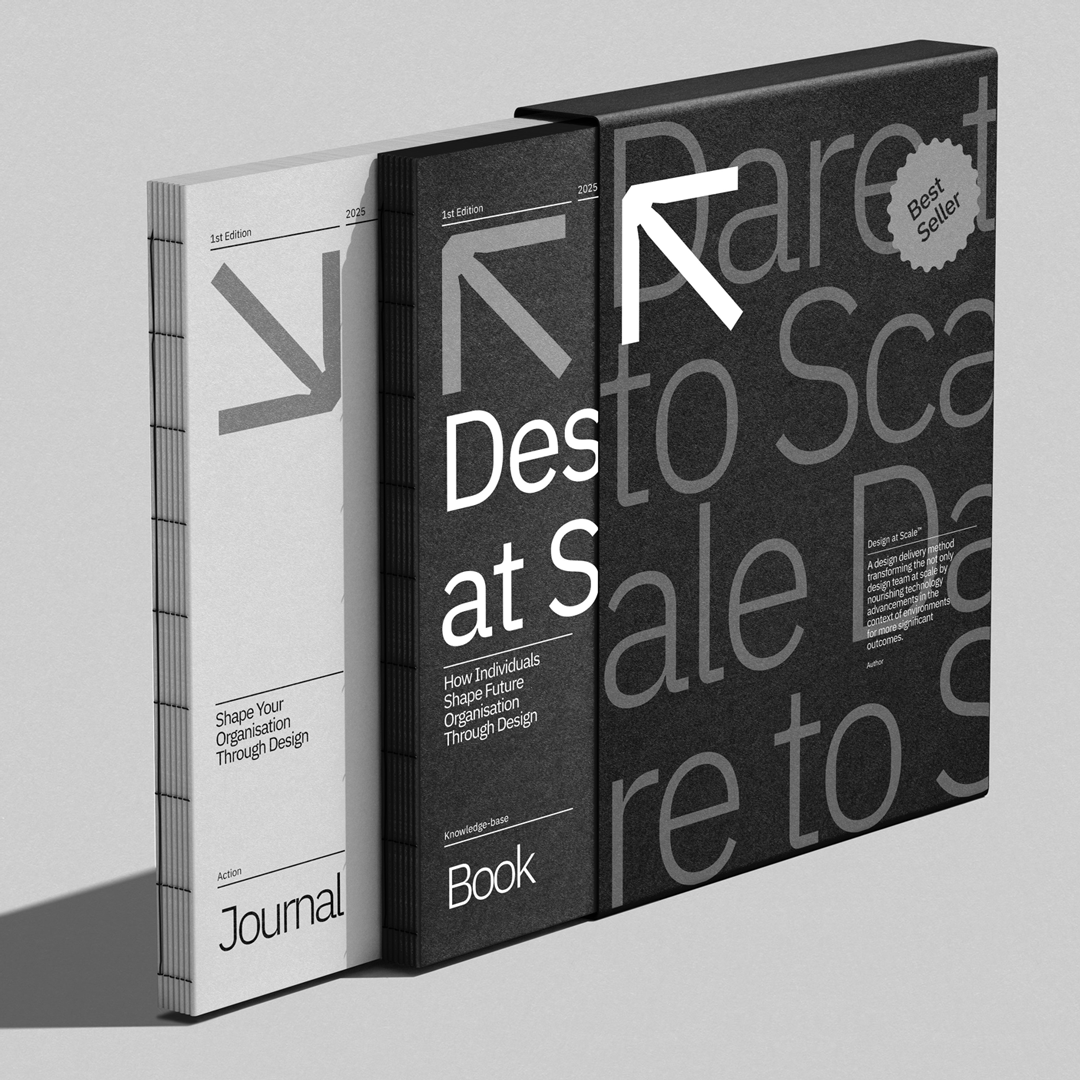
The book offers a unique perspective on product design delivery. Looking back, the past holds some companies back. Present the Method itself and show how the implementation reshapes the organisation through design.  

Book

The journal is a practical workbook that allows us to apply all the learnings from our previous students. It’s designed as a daily task that can be sped up and slowed down based on your own personal preference.

Journal

£45,90

Set

To make this book accessible to everyone with an interest to scale we have made the price as Bata would. 

Please follow your preferred retailer and purchase on your favourite device. The ePub format is standardised, and everyone should be able to access it.

Look
Inside.

Design at Scale™: How Individuals Shape Future Organisation Through Design

DaS™ – Book

We decided that our book references need more context.

Your Story
Matters.

Community.

Beyond every design is a story. Every story drives curiosity and helps us grow.
Join our community to share yours.

LINE_MAGENTA_050_301

Categories

LINE_MAGENTA_050_301

Data

About
ToS
Brand
GDPR

LINE_MAGENTA_050_301

Share

All brands and trademarks presented on the DesignatScale™ website are owned by their relevant companies or agencies. The projects represent collaborations between designers, developers and product owners.
Do not copy or publish any of the projects shown here without approval from 9V™ + GIVE™ + Design at Scale™ and/or relevant companies and agencies.

View