Dear (none)Designer,
Welcome back to the forty-second Design at Scale™ Newsletter – focusing on innovation and how design drives change in a large organisation or an agency.
Plenty of advice on how to build a successful team has been written over the last two decades. In the majority of business-driven online magazines, the focus is mainly on efficiency, transparency, operational excellence and autonomy.
Recently, the Design ta Scale™ has been approached by three design leaders seeking advice on how to build a well-integrated design team that helps grow the business across multiple departments. Not an easy task if you consider the minimal budget, operational challenges, and a continuous dependency on an evolving platform in place.
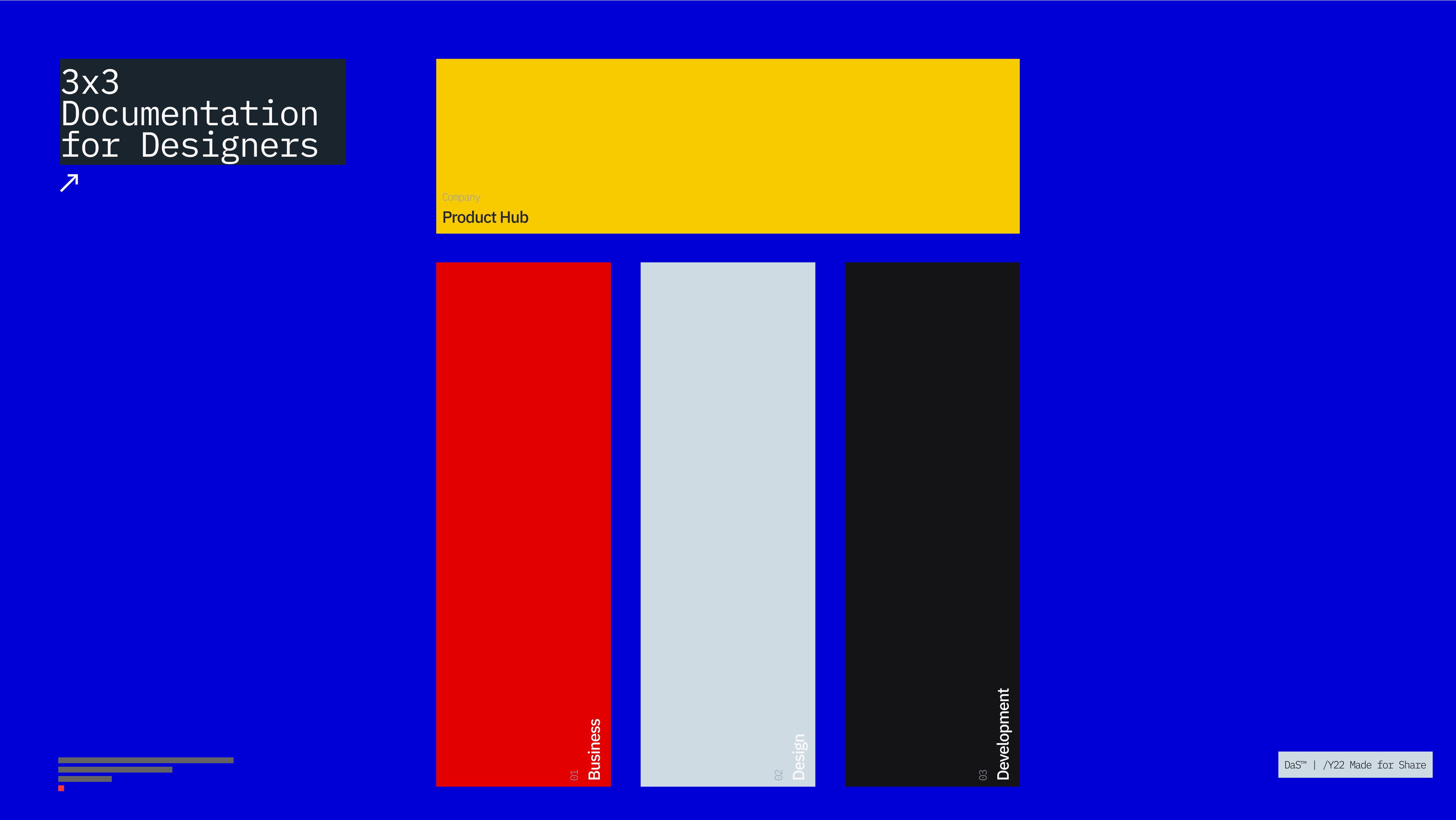
Let's break it down into the three separate lenses, understanding that the building design team will reflect business opportunities and have a direct impact on revenue. Primarily, we need to understand what financial resources are available and how quickly and easily we can access them. The second lens we will be applying to the design function itself is how well it is integrated, and upon receiving a new talent, how fast they can operate with autonomy.
Last but not least, how well the design department or design function is integrated with the development team to close the 360º of the entire organisation.
Finding a great designer with a limited budget is not an easy task. Here are the nine characteristics of what you are looking for in talent management. From the company's perspective, the company and talent should be looking at it.
Designer looking for a company with these trades:
1. Design Maturity
2. Strong Leadership and Vision
3. Clear Design Function and Structure
4. Emphasis on User Research
5. Cross-Functional Collaboration
6. Design System and Tools
7. Culture of Feedback and Learning
8. Autonomy and Ownership
9. Mission and Impact
(Please find a detailed description in the following article.)
The company's looking for designers with these trades:
1. Empathy
2. Problem-Solving Mindset
3. Excellent Communication Skills
4. Strong Attention to Detail
5. Openness to Feedback and Criticism
6. Adaptability and Flexibility
7. Curiosity and Continuous Learning
8. Collaboration and Teamwork
9. Confidence in Their Expertise
(Please find a detailed description in the following article.)
Arguably, all the above focus on non-design trades. A designer must be able to stand up for their work and explain why it is the right solution. While they are open to feedback, they are also confident in their expertise and can advocate for the user and for good design principles. This confidence is founded on a solid research base and a profound understanding of the problem at hand.
Eventually, designers and the company need to align in terms of finances. This can be achieved by either of the engagement options or lowering the quality to high quality, maintaining engagement, which is between the contractors and full-time employees. Assuming that we are building something for more than three years, we will only consider an employee. This way, upon arrival, the designers have 90 days to find all the layers of the business. On the other hand, the contractors need to be in a position where, in a fraction of time, let's say a week or two, they understand the entire proposition and to end. They need to understand where the brief originates from, who signs it off, where the libraries they use are located and in use, how they deliver work, and how they fulfil their objective to receive payment at the end of the month.
This might sound like a business operation challenge, but it's purely about the company structure and, quite often, how the design is represented within the organisation. Preferably, the design function is not here to take control but to provide a partnership with other departments, offering a design platform for delivering the design artefacts in the best way possible.
In reflection, this intein integration allows businesses and development to access design resources and integrate them into the day-to-day organisational process. Despite the type or resource (full-time or contract), delivering a successful digital product means building the design function based on cross-functional collaboration.
Integrating designers into development and developers into a design team fundamentally reshapes the trust and builds a great design function within an organisation.
What is the ultimate recipe for building a successful design team in your organisation?
– Find a talent that is happy to learn and evolve.
– Empower them with absolute transparency.
– Give them a specific timeframe to connect to the business and, most importantly, connect them to the development team.
– Once you achieve all of that, make sure that consistency and persistence are in place.
– Have a regular "Show and tell".
– Open the panels to everybody in the business so that the design team can grow from the knowledge, not from the operation.
– Treat them with respect and empower them to make informed decisions.
– This way, they will be willing to go above & beyond to deliver dessert experiences.
For more information, please visit Designa at Scale™ – GRID Magazine, where you can find additional relevant articles that explore high-performing teams, self-organising teams of 001, teams of 010, and teams of 100 that deliver the value proposition within a product-led environment.