Content teams have historically been undervalued despite being essential to product success. For this reason, in the Design section, they take the leading position. Storytelling shapes understanding, drives clarity, and ensures that product or service narratives remain consistent.
Although copy can be embedded directly into code or pulled through design tools, the real challenge lies elsewhere:
How do you manage seasonal updates?
How do you ensure legal accuracy across markets?
How do you handle multiple language variants?
How do you coordinate sign-off across legal, risk, compliance, and BAU teams?
Now imagine five business units loosely connected but perceived by customers as one. Then imagine 20,000+ live pages across 300+ domains - each requiring consistent terminology, accurate regulation, and aligned behavioural guidance.
This is where Confluence becomes indispensable.
In one case, we consolidated documentation across those 20,000 pages into a unified structure. This eliminated scattered Word files, removed duplicated paragraphs, and automated the identification of repeated or conflicting text.
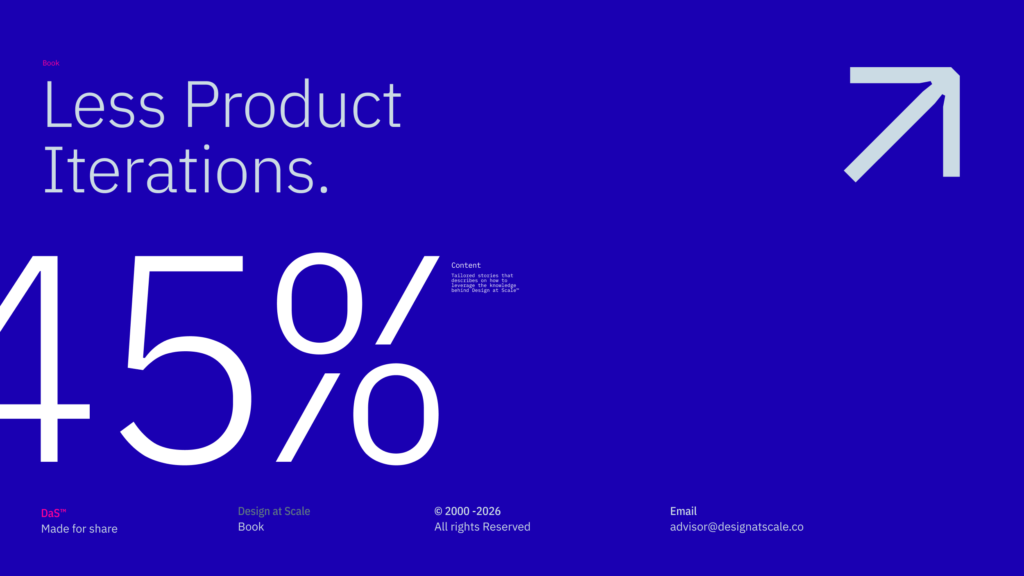
A simple example: The product footer contained 42 different links to Terms & Conditions. After consolidation, there was one link - with a single authoritative T&C, reviewed by two people. SEO improved by 45% through the removal of dead links.
The result:
— Faster sign-off across risk, legal, insurance, and BAU.
— Live copy surfaced directly to developers via JSON.
— Unified content operations across the organisation.
Content became not an afterthought, but a structural pillar - one that ensures coherence, trust, and compliance across the entire proposition.