Dear (none)Designer,
Welcome back to the thirteenth Design at Scale™ Newsletter – focusing on innovation and how design drives change in a large organisation or an agency.
This month, we will explore how Design at Scale™ enhances the entertainment industry by enabling cross-functional teams to operate with speed, precision, and due diligence, combining data with real-time broadcasting to deliver a high-quality service to loyal customers and viewers.
Building the entertainment product is no different from retail, transportation, or banking; yet, broadcasting can take pride in delivering more for a robust proposition that operates live by sending footage from one side of the world to another. So, if something's about to go wrong, it will happen with time or on the LIVE feed; everybody will see it. That is why broadcasters always have a Plan B.
Designing a broadcasting product like a set-top box, let alone an application dealing with LIVE broadcast and VOD – video on demand, presents unexpected challenges across transfer, decoding and rendering the stream in real-time in a specific viewport. More importantly, designers need to accommodate the loading time and transition time between different screens, especially when combining live stream and VOD.
One additional paradigm is navigation. On the set-top box, the majority of TVs still have a fixed focus, allowing us to move only up, down, left, and right, and press Enter. Still, the majority of remote controls designed between 1980 and 2000 for CE devices (so-called consumer electronic devices) have screens that allow us to tap anywhere. We can easily select the movie one and five within the league difference.
To take the matter even more complicated is majority of the providers that's called the TV station for now to adopt a different navigation model in your application or a box this way designers have to decide whether they're going to stick with the navigation that represents the main platform or whether they reflect the behaviour of the TV channel and follow the behaviour model that the customers of this specific channel are familiar with.
All information and considerations often focus on the behavioural model instead of a visual design that represents the brand for the proposition. This way, we can ensure that the original assumptions and the overall direction for the product stay intact. Meanwhile, we can control all the changes and their further impact on the platform by evaluating against the same behavioural model.
And that is why the design team around the broadcast proposition are as diverse as it gets because they build software and hardware for TV stations. Additionally, in the way they approach product design development.
The central unit typically defines the brand and how it will be distributed across the various products and services that comprise the core ecosystem. Alongside the branding team, we have a design system team that factors all brand decisions into a comprehensive, scalable design system. This system allows developers to tap in and out for specific features and design decisions that drive the UI in customers' hands. Last but not least is the experience department, which defines the behavioural, mental, and navigational models that drive the viewer from one point to another, as well as from one experience to another. Defining the design principles enables the entire team, ranging from 20 to 2000 designers, depending on the platform's size, to act as a single unit despite differences in setup time zones, locations, or leadership structures.
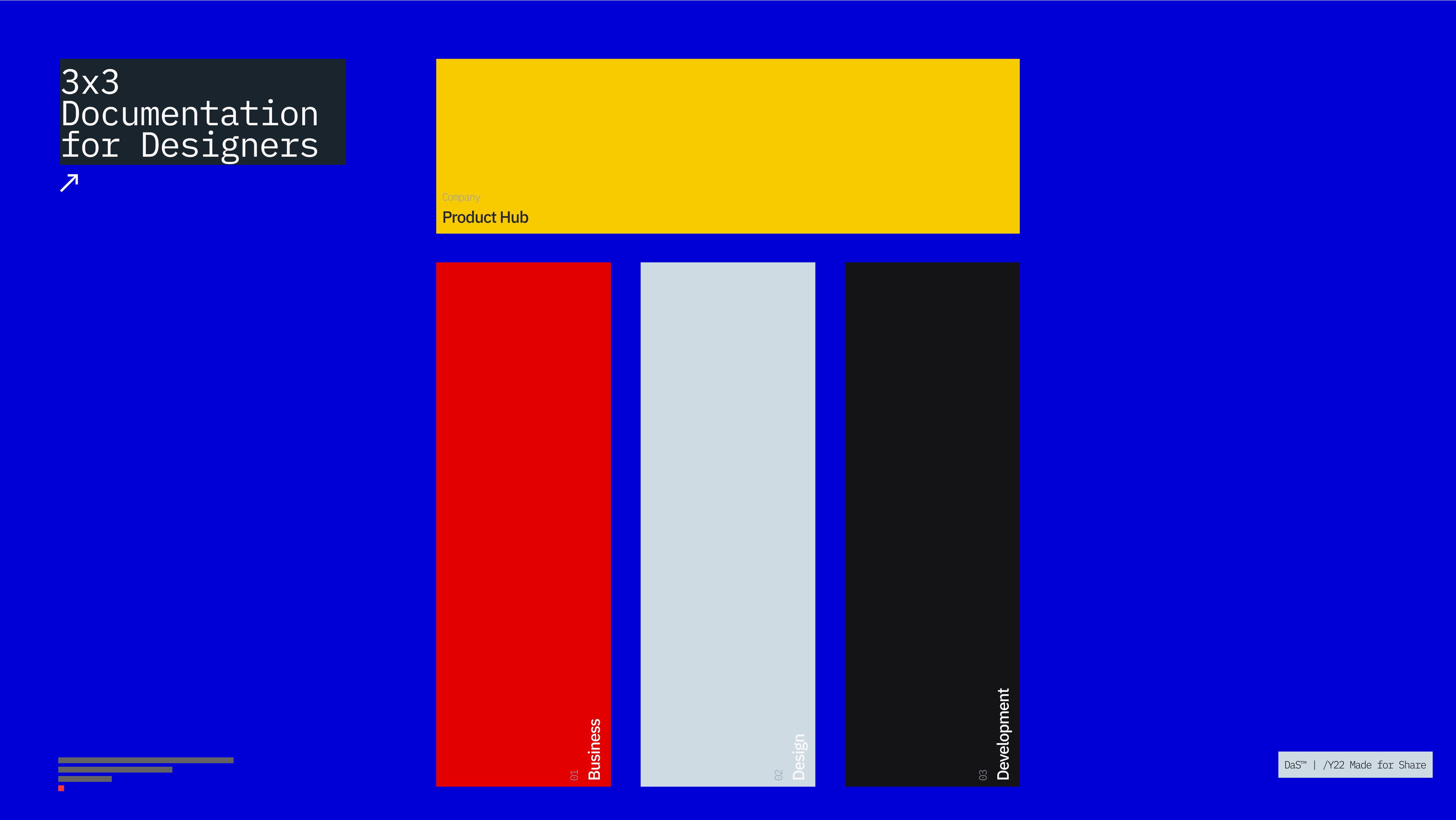
Building a product or service always starts with a Core team surrounded by a small product team, which is supported by smaller agile product delivery teams. This way, we create a three-tier architecture that is driven from the core and allows the supported teams to act in synergy.
This also divides the team into three specific groups. The central group is exploring more holistic and strategic decisions, driving the proposition – CORE Team. The medium team makes decisions that reflect cross-functional and cross-integration testing, applying the theory in practice and creating the modules. The third (Satelite) team applies the visual modules in real software development and delivers increments based on a fully addressed design system.
This way, we enable the fastest product development model, as described in one of our previous newsletters, known as Dual-truck Agile.
For more information, please follow our stories in Design at Scale™ – GRID Magazine, where we reflect on these will be describing in detail how these decisions make, how these teams are formed, and how best you can address the same situation with your team to achieve the same harmony and speed of delivery that reflects on the product delivery model.