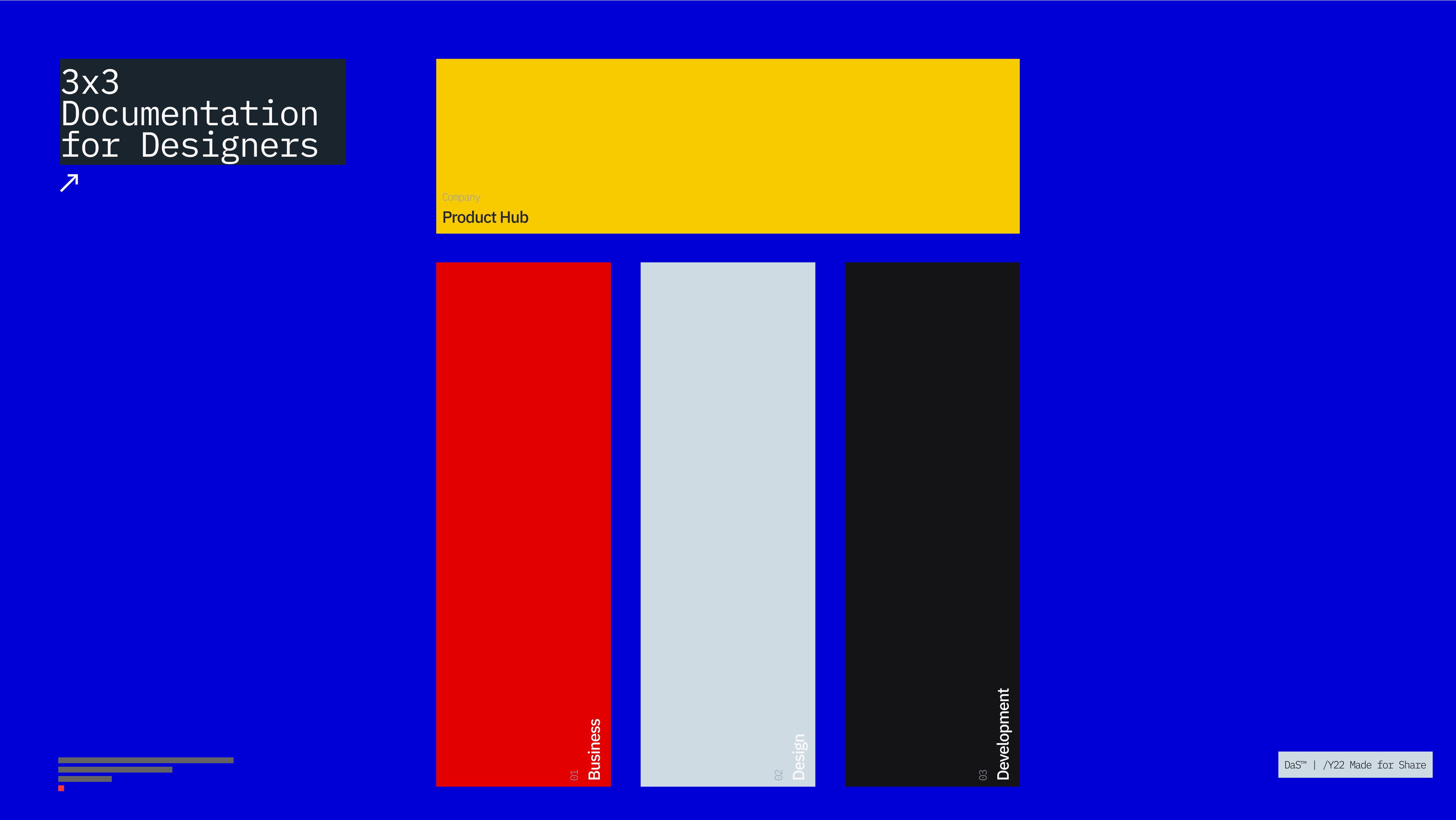
Enterprise growth is a double-edged sword. As a majority of organisations scale rapidly, a terrifying reality sets in: the visual and functional integrity of the digital product begins to fracture. The main idea is that scaling a digital footprint across dozens of siloed product teams cannot be solved by simply hiring more people; it requires a structural, human-centric transformation of your design system operations.
When twenty or more independent teams are left to build across thousands of live pages simultaneously, the user experience rapidly degenerates into a siloed, frustrating scavenger hunt that costs time and money. To survive this expansion, companies must stop viewing design systems as mere static asset repositories and start treating them as living, scaled infrastructure — we call it OS (Operating System)
Most corporate leadership teams are currently making a critical mistake: they assume that providing a comprehensive Figma library is enough to guarantee product cohesion. This is a dangerous, outdated paradigm. The old-school view holds that as long as the design team distributes a standardised kit of parts—a digital "sticker sheet"—consistency will naturally follow.
This approach completely ignores the reality of organisational friction and all ambition for expansion. A design system does not fail because the buttons are poorly drawn; it fails because of human disconnection, systemic isolation, and a total lack of cross-team alignment. When individual product teams are pressured to meet aggressive feature deadlines, they will quietly bypass a rigid, disconnected system, creating custom, one-off variations that quietly bleed your brand’s equity and balloon your technical debt. (also known as detaching the components)
The common misconception is that true operational cohesion requires a radical flip in your organisation: systems at scale are fundamentally about people, not just pixels, and therefore transparency and operational excellence create the foundation for equal and impactful redistribution. To achieve a unified experience across thousands of live pages, the design system must be run as an internal product that actively meets practitioners where they already work.
Consider the baseline data from large enterprise implementations. When a dedicated infrastructure team shifts its focus from gatekeeping to relationship-building, product delivery velocity increases significantly. By establishing open-source communication channels and transparent collaboration loops, organisations eliminate the friction that historically divided product teams. For example, replacing closed-door whiteboarding sessions with live, accessible office hours allows anyone in the enterprise to contribute to the system's evolution. When teams see their own real-world constraints reflected in the global architecture, adoption changes from an enforced corporate mandate into a voluntary grassroots movement.
To stop the fragmentation of your scaling product, your leadership must implement immediate operational changes:
Establish Accessible Communication Bridges: Create hyper-focused, transparent communication channels for real-time collaboration. Move away from isolated design teams and set up open, live-streamed office hours where any designer or engineer can co-create and stress-test system components.
Deploy a Transparent Backlog Framework: Transition your system management into a visible lifecycle, categorising all requests into clear phases:
- Proposed
- Planned
- In Progress
- Resolved
Shift from Documentation to Practical Enablement: building dense, unread wikis only creates more clutter and isolation. Instead, build contextual asset galleries that showcase live, tangible examples of components in production, ensuring the documentation directly meets the daily velocity needs of your builders. These reference files serve as your knowledgebase and reflect the state of your product environment, accessible to any engineer or product owner.
The most common resistance to this product operating model is the fear of meeting fatigue and communication overload. Managers often look at the prospect of managing dozens of collaborative spaces and panic, assuming it will paralyse their teams. However, the reality is the exact opposite.
Investing in transparent, asynchronous infrastructure completely eliminates the need for endless, alignment-seeking meetings — because the source is autonomous. By creating decentralised, self-serve safe spaces for architectural questions, you remove the hidden biases of individual opinions and replace them with a predictable, shared framework. The initial learning curve is quickly replaced by an immense release of operational tension, allowing hundreds of stakeholders to move forward autonomously with absolute certainty.
This could be seen as a company “decision machine” where mandatory requirements are: “contribute” – the definition of requirements, “reflect” – fit to the product in your specific part of the business, and “feedback” – adjusting the component specification with full transparency to the respective teams that use the same Operating System.
When your organisation expands to thousands of live pages, manual oversight becomes physically impossible. Cohesion cannot be policed; it must be enabled through shared trust, clear frameworks, and advanced automation.
By transitioning your design system from a static file to a collaborative, living human infrastructure, you eliminate the hidden costs of duplicative work and ensure a seamless, high-fidelity experience for end users. That way you’ll gather the feedback on your produt 62% faster that businding in silo and your shipment of a feature or simple component hits ten, if not hundreds of teams. which eventually saves between 18-23% on operational cost and refactoring.
Are your digital products suffering under the weight of the inconsistent releases of your own Design System? Stop fighting systemic misalignment with temporary fixes or ad-hoc releases.
Discover how to architect a resilient operational ecosystem that aligns hundreds of builders by visiting the Design at Scale framework.